
The low-carb, high-fat diet offers rapid weight loss, but health professionals are concerned about these side effects and risks.
The ketogenic diet — also recognized as the “keto diet” or “keto”— has become the latest major trend in plans for losing weight. The diet means cutting back to 50 grams a day or less on carbohydrates to help the body reach a ketosis condition in which it has to burn fat (instead of sugar) for energy. Doctors think keto diet can be useful to treat epilepsy. Animal studies have also shown that the diet could also benefit from anti-aging, anti-inflammatory, and cancer-fighting effects.
Yet keto is more controversial as a general weight-loss program. Some health professionals are absolutely warning against it, citing unpleasant side effects, health risks and the unhealthy nature of the diet. Also many keto diet supporters agree it can be the opposite of safe if the diet isn’t done “the right way.”
Once you try it as a way to lose weight, here are a few things you should know about the ketogenic diet. Sure, you can drop pounds but watch out for the following side effects or complications as well.
The keto flu
Several people report they just feel sick when they start ketosis. The keto flu may have the following symptoms: brain fog, fatigue, vomit, gastrointestinal distress, dizziness, insomnia and lethargy. That is because your body is running out of sugar to use for energy, and you have to start using fat.The change alone suffices to make the body feel exhausted for a couple of days.
Normally this so-called keto flu goes by after a few days.
Through consuming plenty of water, some vitamins and having plenty of sleep, you may be able to minimize the keto flu symptoms.
Diarrhea
This could be because the gallbladder — the organ that produces bile to help break down fat in the diet — it feels overwhelmed.
Diarrhea can also be caused by a lack of fiber in the keto diet, which can arise when someone cuts back on carbohydrates (such as whole grain bread and pasta) and does not introduce other fiber-rich foods, such as vegetables. It can also be caused by allergies to dairy or artificial sweeteners — things you can consume more since transitioning to a low-carb lifestyle that is high in fat.
Nutritional deficiencies
The low-carb, high-fat keto diet plan restricts the types of food you may have, and entire food classes are completely eliminated. Beans, legumes, and whole grains are out, as are many vegetables and fruits. Many of these foods contain vitamins, minerals, and other nutrients that you can’t get from any other source, and you may start experiencing nutritional deficiencies without these.
Keto is not a great diet for the long term, because it is not a balanced diet
A diet that is devoid of fruit and vegetables can lead to long-term deficiencies in micronutrients that may have other implications. The keto diet can be used for short-term loss of weight, given that it is under medical supervision
Reduced athletic performance
Many athletes swear by the ketogenic diet, not only for weight loss but also for better performance in their sport.When in ketosis, the body is in a more acidic state, which may restrict its ability to perform at peak levels.In fact, the performance reductions could at least partially cancel out the benefits of weight loss.
Constipation and bowel changes
Eliminating certain vegetables and fruits can also have other effects. Without fiber-rich foods, you may start experiencing changes in the intestine, including difficulty in bowel movement and eventually constipation.
Focus on eating more low-carb, fiber-rich foods to help address the bowel problem: fibrous vegetables, including broccoli, asparagus, and cabbage, consume more fat, such as MCT oil, coconut oil, or ghee, and drink lots of water

Ketoacidosis
When you have type 1 or type 2 diabetes, you should not adopt your keto diet until you have the permission and close monitoring of your doctor; Ketosis can actually help people with hyperglycemia, but you need to be very careful of your blood sugar and test your glucose levels many times a day.
It is because ketosis can activate a dangerous condition called ketoacidosis for people with diabetes. It happens when too many ketones — acids formed as a by-product of burning fat — are retained in the body and the blood becomes too acidic, which can harm the liver, kidneys and brain. It can be deadly, if left untreated. Signs of ketoacidosis include dry mouth, frequent urination, diarrhea, bad breath and difficulty breathing; if you experience these while following a keto diet, check with your doctor immediately.
Loss of electrolytes
When ketosis begins, the body will start dumping glycogen, which is a carbohydrate energy source that is stored in the muscles and liver. This will increase how often you urinate and may result in eventual electrolyte loss.
Loss of electrolytes (essential for cardiac function and normal heart beating), such as sodium, magnesium, and potassium, would put the dieter at risk of heart arrhythmia.
Search for natural electrolyte products (avocados, leafy greens, asparagus, and cruciferous veggies are excellent to supply essential electrolytes) or purchase supplements.
Weight regain
Since the keto diet is so strict, the long-term follow-up program is not suitable, it is best done for 30 to 90 days followed by a more balanced diet plan.
Such kinds of changes in back-and-forth weight may lead to disordered eating, or can exacerbate an already unhealthy food relationship.
Decreased serum sodium
On a keto diet, you may be unable to eat enough sodium – a significant dietary issue is an increased risk of dehydration and low sodium in the blood. Low sodium levels in your body can cause cramps on your legs, decreased strength, discomfort and even vomiting
Include sea salt which provides mineral traces. Top any of your meals with a little salt.
Less muscle mass, decreased metabolism
Another result of keto-related changes in weight may be loss of muscle mass. You’re going to lose weight, but really it might be a lot of muscle and because the muscle consumes more calories than fat, the metabolism will be affected. Once a person leaves the ketogenic diet and retains much of their original weight, it is often not in the same proportions, rather than restoring lean muscle, you are likely to recover fat. There you are back to your starting weight but you don’t have the muscle mass anymore to eat the calories you’ve done before. This can have lasting effects on your metabolic resting rate, and on your long-term weight.
Dehydration
People are predisposed to dehydration conditions in the initial stages of the keto diet.A ketogenic diet is recognized as a water-flushing diet, as inflammation decreases and glycogen reserves in your muscles and liver decrease. Drink more water – at least 2,5 liters a day in order to prevent dehydration.
All caffeine and alcohol should be controlled. They may be liquids but they don’t usually hydrate. Alcohol additionally contributes calories to your day.
Kidney stones and kidney damage
Dehydration can lead to acute kidney injury if not treated or reversed; A side effect of the keto diet could be kidney stones or kidney damage. High nitrogen levels produced by excess protein may also increase the pressure in your kidneys. This can cause more stones to shape and damage your kidney cells.
Persons with kidney, liver and gout problems should be careful when taking these diets as they can raise their risk of further kidney failure, overload an already stressed liver or precipitate a gout flare.
Muscle loss
The longer that you are in ketosis, the more fat that you consume. Alas, you can also start losing muscle tissue. Although protein is considered to be the powerhouse muscle builder, carbs are required for proper formation and maintenance in your muscles. Without those carbs, your body can start muscle breakdown. Since your body begins to eat away from the muscles as it enters ketosis, your heart, being a muscle, can also be damaged.This can also be true of other calorie-restricted diets.

Cardiac problems
Loss of heart muscle may not be the only cardiac risks associated with keto diet. When you have high blood pressure and are receiving treatment, the diet together with the medication can lead to abnormally low blood pressure test results.
It is recommended that you talk to your doctor before you initiate the keto diet to prevent lower blood pressure. It can be dangerous, even fatal.
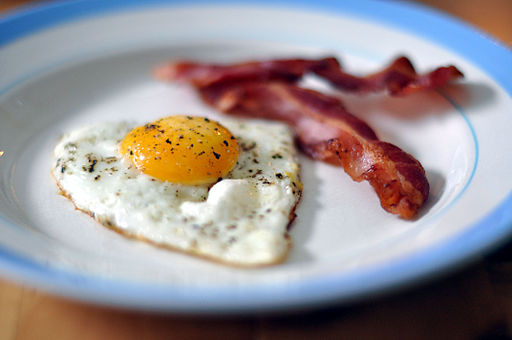
The keto diet contains lots of vegetables and lean animal protein sources, if done correctly. Or put it another way, eating butter and bacon is no excuse. Doctors say high-fat diets like this one may increase cholesterol levels, and some studies suggest they can increase diabetes risk.
Bad breath
The body produces ketones, or fat-burning by-products, during ketosis. Your body uses many techniques, including exhalation, to extract the ketones from your body. When ketones are excreted in your lungs they leave as foul-smelling acetone. Because of this process of fat burning, while you are in ketosis, you may develop bad breath.
Drink plenty of fluid to help keep your mouth hydrated and reduce the risk of getting bad breath. You should turn to sugar-free mints or gum to disguise the condition if the situation is especially smelly.
Take away message
Each and every restricted diet can constrain the consumption of vital nutrients in a person.
Having to make healthy changes, like avoiding processed foods, reducing the consumption of meat and milk products and consuming more fresh fruits and vegetables, will help individuals sustain a healthy weight over time.
There are available balanced diets, with a variety of healthy products, which are more sustainable and will certainly give you more health benefits.
The Mediterranean diet, The Flexitarian diet and the DASH diet represent long-term alternatives to boost health and possibly lose weight.
The most important thing is to make sure you talk to your doctor beforehand and avoid going to an extreme with your diet plan.
Related topics:
References:
en.wikipedia.org
mport.com
Disclaimer: Please note that this site contains affiliate links to products. We may receive a commission for purchases made through these links. We may receive commissions when you click our links and make purchases. However, this does not impact our reviews and comparisons. We try our best to keep things fair and balanced, in order to help you make the best choice for you.
 Best life hacks to improve yourself
Leave a comment