
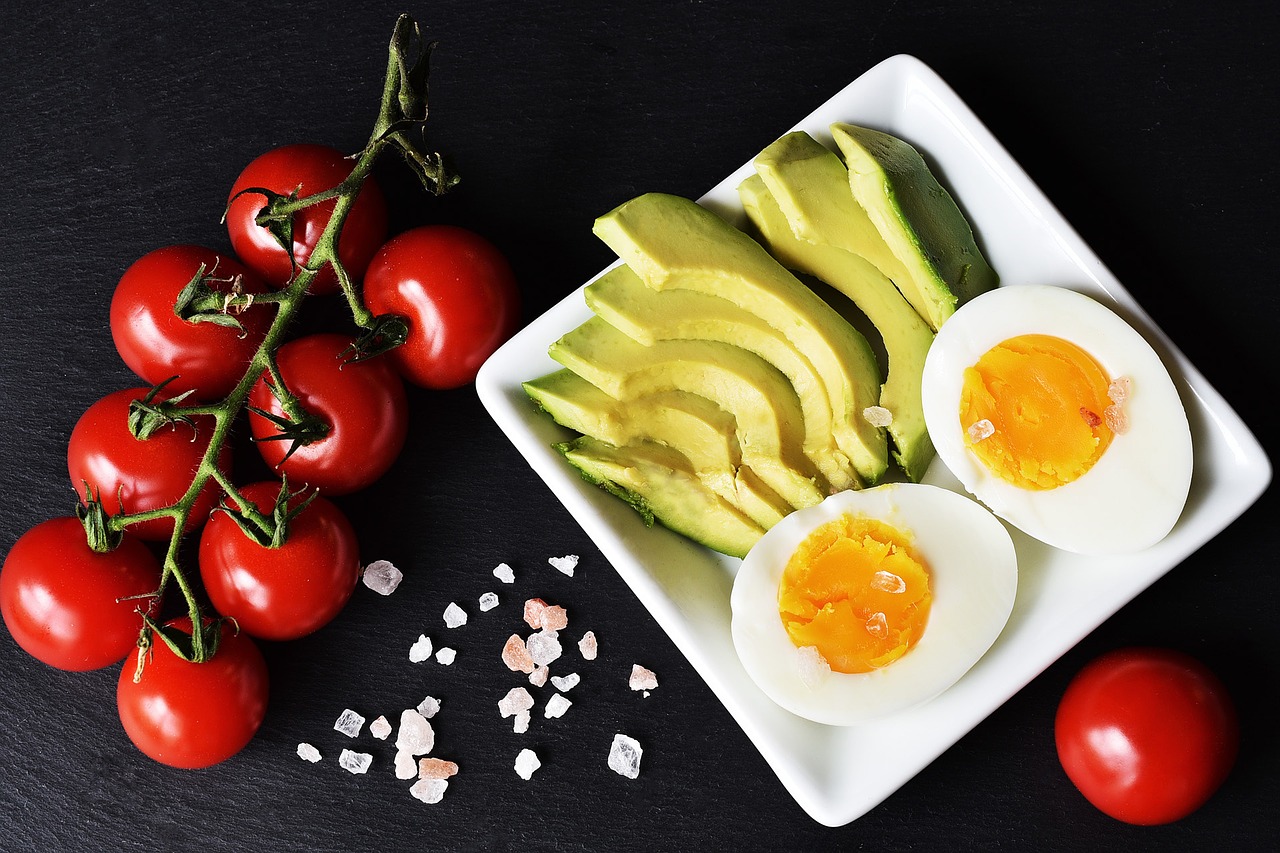
This article is meant to provide the basic information regarding ketogenic (keto) diet. This type of diet, among numerous others, is mainly used in order to loose weight, but as you will discover through the article, the diet has also other benefits.
Definition for keto
It involves drastically reducing carbohydrates, replacing them with fat and maintaining a moderate intake of protein. This reduction in carbohydrate intake brings the body into a specific state called ketosis.
In this state the body becomes very efficient in burning the fat accumulated as energy. Burning fat seems like an ideal way to lose pounds It also converts fat into ketones, which provide energy to the brain.
This type of diet significantly reduces blood sugar and insulin levels.
Ketosis is a metabolic state where ketones become the main sources of energy for the body and brain. This is when the level of insulin and blood sugar are very low.
When eating a very low-carb diet, levels of the hormone insulin go down and fatty acids are released from body fat stores in large amounts.
Many of these fatty acids are transferred to the liver, where they are oxidized and turned into ketones These molecules can provide energy for the body.
Unlike fatty acids, ketones can cross the blood-brain barrier and provide energy for the brain in the absence of glucose.

Benefits of the Ketogenic diet (Keto diet)
A ketogenic diet may provide many health benefits, especially with metabolic, neurological or insulin-related diseases.
Ketogenic Diets are helpful for loosing weight
A ketogenic diet is an effective way to lose weight. The diet is so filling that you can lose weight without counting calories or tracking your food intake
One study found that people on a ketogenic diet lost 2.2 times more weight than those on a calorie-restricted low-fat diet. Triglyceride and HDL cholesterol levels also improved.
Ketogenic Diets for Diabetes and Prediabetes
The ketogenic diet can boost insulin sensitivity and cause fat loss, leading to significant health benefits for people with type 2 diabetes or prediabetes.
The ketogenic diet can help you lose excess fat, which is closely linked to type 2 diabetes and prediabetes.
One study found that the ketogenic diet improved insulin sensitivity by up to 75%
Ketogenic Diets for Heart disease: The ketogenic diet can improve risk factors like body fat, HDL cholesterol levels, blood pressure and blood sugar (Resource1, Resource2).
Ketogenic Diets for Cancer: The diet is currently being used to treat several types of cancer and slow tumor growth (Resource3, Resource4, Resource5, Resource6).
Ketogenic Diets for Alzheimer’s disease: The keto diet may reduce symptoms of Alzheimer’s disease and slow the progression (Resource7, Resource8, Resource9).
Ketogenic Diets for Epilepsy: the ketogenic diet can cause important reductions in seizures in epileptic children research show (Resource10).
Ketogenic Diets for Parkinson’s disease: One study found that the diet helped improve symptoms of Parkinson’s disease (Resource11).
Ketogenic Diets for Polycystic ovary syndrome: Since the ketogenic diet is known that can can help reduce insulin levels, it may play an important role in polycystic ovary syndrome (Resource12).
Ketogenic Diets for Brain injuries: One animal study found that the diet can reduce concussions and aid recovery after brain injury (Resource13).
Ketogenic Diets for Acne: Lower insulin levels and eating less sugar or processed foods may help improve acne (Resource14).
However, keep in mind that researches into many of these areas are far from conclusive.

There are several versions of the ketogenic diets, including:
- Standard ketogenic diet (SKD): This is a very low-carb, moderate-protein and high-fat diet. It typically contains 75% fat, 20% protein and only 5% carbs.
- Cyclical ketogenic diet (CKD): This can be a 5 ketogenic days followed by 2 high-carb days, The high-carbs days used in order to refeed your methabolism with carbs and get a reset.
- Targeted ketogenic diet (TKD): This diet allows you to add carbs around workouts, in order to boost your energy level required for improved exercises performance.
- High-protein ketogenic diet: This is similar to a standard ketogenic diet, but includes more protein. The ratio is often 60% fat, 35% protein and 5% carbs.
Here is my Weigh Loss Transformation journey.
Foods recommended to eat in Keto diet
You should base the majority of your meals around these foods:
- Meat: Unprocessed meats are low carb and keto-friendly Red meat, steak, ham, sausage, bacon, chicken and turkey. Note that processed meats, like sausages, cold cuts and meat balls often contain added carbs.
- Fish and seafood – These are all good, especially fatty fish like salmon, trout and tuna. If you have concerns about mercury or other toxins, consider eating more of the smaller fish like sardines, mackerel and herring.
- Eggs: Eat them any way you like, e.g. boiled, poached, fried, scrambled or as omelets.
- Butter and cream: Look for grass-fed when possible.
- Cheese: Unprocessed cheese (cheddar, goat, cream, blue or mozzarella).
- Nuts and seeds: Almonds, walnuts, macadamia or pecan nuts , flax seeds, pumpkin seeds, chia seeds, etc.
- Healthy oils: Primarily extra virgin olive oil, coconut oil and avocado oil.
- Avocados: Whole avocados or freshly made guacamole.
- Low-carb veggies: growing above ground Most green veggies, tomatoes, onions, peppers, cauliflower, cabbage, broccoli and zucchini etc. kale, Swiss chard, spinach, Brussels sprouts, asparagus, garlic, mushrooms, cucumber, celery, and summer squashes.
- Berries – A moderate amount of any type of berries is acceptable.
- Condiments: You can use salt, pepper and various healthy herbs and spices.
Foods not recommended to eat in Keto diet
Any food that is high in carbs should be limited, avoided even better.
Here is a list of foods that need to be reduced or eliminated on a ketogenic diet:
- Sugary foods: Soda, fruit juice, smoothies, cake, ice cream, candy, etc.
- Grains or starches: Wheat-based products, rice, pasta, cereal, etc.
- Fruit: All fruit, except small portions of berries like strawberries.
- Beans or legumes: Peas, kidney beans, lentils, chickpeas, etc.
- Root vegetables and tubers: Potatoes, sweet potatoes, carrots, parsnips, etc.
- Low-fat or diet products: These are highly processed and often high in carbs.
- Some condiments or sauces: These often contain sugar and unhealthy fat.
- Unhealthy fats: Limit your intake of processed vegetable oils, mayonnaise, etc.
- Alcohol: Alcohol contains carbs, thus it will get you out of your ketosis state.
- Sugar-free diet foods: These are often high in sugar alcohols, which can affect ketone levels in some cases. These foods also tend to be highly processed.

Healthy Keto Snacks
In case you get hungry between meals, here are some healthy, keto-approved snacks:
- Fatty meat or fish
- Cheese
- A handful of nuts or seeds
- Cheese with olives
- 1–2 hard-boiled eggs
- 90% dark chocolate
- A low-carb milkshake with almond milk, cocoa powder and nut butter
- Full-fat yogurt mixed with nut butter and cocoa powder
- Strawberries and cream
- Celery with salsa and guacamole
- Smaller portions of leftover meals
A great selection of Keto related recipes you can find here:
Healthy Keto drinks
- Water – The number one option. Simple or add natural flavoring like sliced cucumbers, lemons or limes.
- Coffee – No sugar aloud. A small amount of milk or cream is fine.
- Tea – feel free to drink any black, green, orange, mint or herbal, but without any sugar.
A ketogenic diet has numerous risks.
High in saturated fat. It is recommended that you keep saturated fats to no more than 7% of your daily calories because of the link to heart disease. And indeed, the keto diet is associated with an increase in “bad” LDL cholesterol, which is also linked to heart disease.
Other potential keto risks include these:
Nutrient deficiency. Considering that you will not be eating a wide variety of vegetables, fruits, and grains, you may be at risk for deficiencies in micronutrients, including selenium, magnesium, phosphorus, and vitamins B and C.
Liver problems. An liver current conditions could get worst, with so much fat to metabolize from this fat rich diet type.
Kidney problems. The kidneys are helping with the protein metabolize, and the keto diet, being more rich in protein, may overload them.
Constipation. The keto diet is low in fibrous foods like grains and legumes, which scarcity may cause constipation problems.
Fuzzy thinking and mood swings.“The brain needs sugar from healthy carbohydrates to function. Low-carb diets may cause confusion and irritability,”
Those risks add up — so make sure that you talk to a doctor and a registered dietitian before ever attempting a ketogenic diet.
Side Effects and How to Minimize Them
Although the ketogenic diet is safe for healthy people, there may be some initial side effects while your body adapts.
These side effects are often referred to as the keto flu and si de obicei dureaaza catva zile, pana la o saptamana.
Keto flu includes poor energy and mental function, increased hunger, sleep issues, nausea, digestive discomfort and decreased exercise performance.
To minimize these effects, before going into full keto diet, you may consider starting with a regular low-carb diet for the first few weeks. This may teach your body to burn more fat before you completely eliminate carbs.
A ketogenic diet can also change the water and mineral balance of your body, so adding extra salt to your meals or taking mineral supplements can help.
At least in the beginning, it is important to eat until you’re full and avoid restricting calories too much. Usually, a ketogenic diet causes weight loss without intentional calorie restriction.
Supplements for a Ketogenic Diet
Although no supplements are required, some can be useful.
MCT oil: Added to drinks or yogurt, MCT oil provides energy and helps increase ketone levels.
Several god options you may find on Amazon:
Minerals: Added salt and other minerals can be important when starting out due to shifts in water and mineral balance.
Several god options you may find on Amazon:
Caffeine: Caffeine can have benefits for energy, fat loss and performance.
Several god options you may find on Amazon:
Exogenous ketones: This supplement may help raise the body’s ketone levels.
Several god options you may find on Amazon:
Creatine: Creatine provides numerous benefits for health and performance. This can help if you are combining a ketogenic diet with exercise.
Several god options you may find on Amazon:
Whey: Use half a scoop of whey protein in shakes or yogurt to increase your daily protein intake.
Several god options you may find on Amazon:
Please note that we may receive commissions when you click our links and make purchases. However, this does not impact our reviews and comparisons. We try our best to keep things fair and balanced, in order to help you make the best choice for you.
Disclaimer: While the ketogenic diet has many proven benefits, it’s still controversial. The main potential danger regards medications, e.g. for diabetes, where doses may need to be adapted (see above). Discuss any changes in medication and relevant lifestyle changes with your doctor.
Top fat burning supplements
1.Plant based supplement boosting your metabolism | Top pick
2.Ancient Amazonian “Drip Method” Used To Support Healthy Weight Loss
3.Lean Belly Juice – Ancient “Juice” Melts Fat Fast
Related topics: My Weigh Loss Transformation
References:
Disclaimer: Please note that this site contains affiliate links to products. We may receive a commission for purchases made through these links.we may receive commissions when you click our links and make purchases. However, this does not impact our reviews and comparisons. We try our best to keep things fair and balanced, in order to help you make the best choice for you.
 Best life hacks to improve yourself
Leave a comment